Buying Property in Spain: The Dream, the Paperwork, and the Stuff Nobody Warns You About 🇪🇸🏡

Buying property in Spain is a dream for many people. Sunshine, space, slower living, a glass of wine that doesn’t require a mortgage.
But here’s the truth most buyers only learn after they’ve wired a deposit:
Spain does not work like the UK, Ireland, the US, or anywhere else with neat systems, surveys by default, and consumer-friendly safety nets.
You can absolutely buy safely in Spain — but only if you understand how the system actually works, not how you assume it works.
Let’s walk through it properly.
Step One: Choose the Area Before You Choose the House
The house matters.
The location matters more.
Before falling in love with:
- a terrace
- a view
- a pool
- or a bargain price
You need to understand:
- year-round life (not August life)
- access to healthcare
- noise, roads, neighbours
- water, utilities, and infrastructure
- resale reality, not Instagram fantasy
Especially in rural or semi-rural Spain, what you see is not always what is legally there.
Step Two: Surveys Are Not Really “A Thing” in Spain
This is where a lot of foreign buyers get caught out.
In Spain, property is generally sold “as seen”.
There is:
- no automatic survey
- no obligation for the seller to disclose defects
- no equivalent of a UK HomeBuyer Report
If you buy a property and later discover:
- structural issues
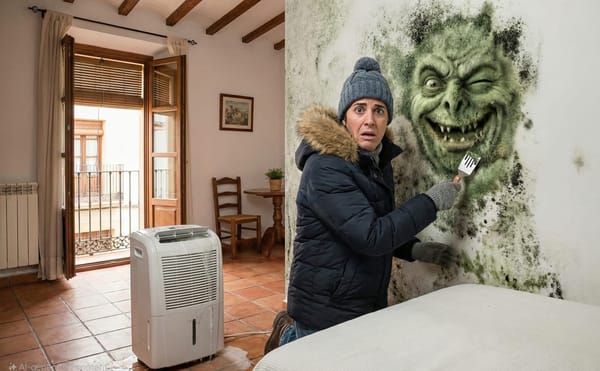
- damp
- dodgy electrics
- illegal extensions
That problem belongs to… you.
What I actually recommend
If you want reassurance, pay a reputable local builder, architect, or technical expert to walk the property with you before you commit.
It’s not a formal survey — but it’s a hell of a lot better than blind faith.
Step Three: Get an Independent Spanish Lawyer (Non-Negotiable)
This is the single most important decision you’ll make.
🚩 Do not use the lawyer “recommended” by the estate agent.
Why?
- conflicts of interest are common
- some lawyers work for both buyer and seller
- discounted fees often mean discounted diligence
You want:
- a Spain-based lawyer
- who works only for you
- and whose sole job is protecting your interests
Spain does not protect buyers by default.
Your lawyer is the protection.
Step Four: Reservation Contracts & Deposits (Read This Slowly)
Once terms are agreed, you’ll usually sign a Reservation Contract and pay a deposit (often €3,000–€12,000).
This:
- takes the property off the market
- freezes the price
- starts a ticking clock (usually ~30 days)
⚠️ Here’s the bit people miss:
That deposit is normally non-refundable if you pull out.
If the seller pulls out → they return it.
If you delay, hesitate, or change your mind → it’s often gone.
This is why:
- funds must be ready
- legal checks must start immediately
- and cheques are a terrible idea
Step Five: Nota Simple – The Document That Tells the Truth
A Nota Simple is an extract from the Spanish Land Registry.
It shows:
- who legally owns the property
- whether there are mortgages or charges
- how the property is officially registered
In urban areas, this is standard.
⚠️ In rural Spain?
Some properties:
- don’t have a Nota Simple
- are not fully registered
- or don’t match what physically exists
No Nota Simple doesn’t always mean “don’t buy” —
but it always means more checks, more caution, and specialist advice.
Step Six: Debts in Spain Stick to the Property
This surprises a lot of buyers.
In Spain, debts can attach to the property itself, not just the seller.
That can include:
- unpaid community fees
- local taxes
- historic charges
- utility debts
If these aren’t cleared before completion, they can become yours.
This is why proper legal checks are not optional — they are essential.
Step Seven: Blurred Boundaries (Especially Rural)
Spain is… flexible… with boundaries.
You may encounter:
- fences that don’t match legal plots
- driveways crossing other people’s land
- shared access tracks
- “we’ve always used it” arrangements
What’s been tolerated for decades can become a problem the moment ownership changes.
If access, land size, or boundaries matter to you — they must be documented, not assumed.
Step Eight: Urban vs Rustic Land (This Is Critical)
This is not a technicality — it’s fundamental.
Urban land (Urbano)
- intended for residential use
- utilities usually legal
- clearer building rules
Rustic land (Rústico)
- agricultural or countryside land
- very strict building rules
- many homes exist in legal grey areas
Just because a house exists does not mean:
- it was built legally
- it can be extended
- it can be easily registered or improved
This is where many “dream fincas” quietly turn into long-term headaches.
Step Nine: What an AFO Is (and Isn’t)
An AFO (Asimilado a Fuera de Ordenación) roughly means:
“It exists… but don’t push your luck.”
It recognises a property that was built without proper planning permission.
An AFO:
- does not fully legalise the property
- does not allow extensions
- may limit utilities or future works
It can help with resale or basic services —
but it is not the same as full legality.
Anyone saying “it’s fine, it has an AFO” without explaining the limits is oversimplifying.
Step Ten: Completion, Notary & Registration
Completion happens at the notary, where:
- the Escritura (title deed) is signed
- final funds are paid
- ownership transfers
The notary checks legality —
they do not protect your personal interests.
After completion:
- the property must be registered
- this protects your ownership
- and should never be skipped
The Bit Everyone Forgets: The Real Costs 💸
Rule of thumb:
👉 Add 11–12% on top of the purchase price.
This includes:
- transfer tax or VAT
- notary fees
- registry fees
- legal fees
If you only budget for the listing price, you’re not ready to buy.
The Honest Bottom Line
Buying property in Spain isn’t dangerous.
But it is unforgiving if you assume UK-style safeguards.
With:
- the right lawyer
- proper checks
- realistic expectations
It can be one of the best decisions you ever make.
Without them?
It can be a very sunny lesson.